Virus Cursed: A Display Font That Makes Small Brands Unforgettable
Last October, I found myself standing in my tiny kitchen studio at two in the morning, staring at a stack of candle labels that just didn't feel right. The scent was perfect—cedar, smoked vanilla, a hint of clove—but the label design fell flat. It looked like every other candle on the shelf. Virus Cursed changed everything.
I'm not a professional designer. I'm a candle maker who learned branding the hard way, through trial and error, late nights, and one too many font downloads that went nowhere. But when I stumbled across Virus Cursed, something clicked. This wasn't just another pretty typeface. It had a personality that matched the mood I'd been chasing for months—spooky, elegant, mysterious, and completely distinct.
The Moment a Font Matches Your Brand's Soul
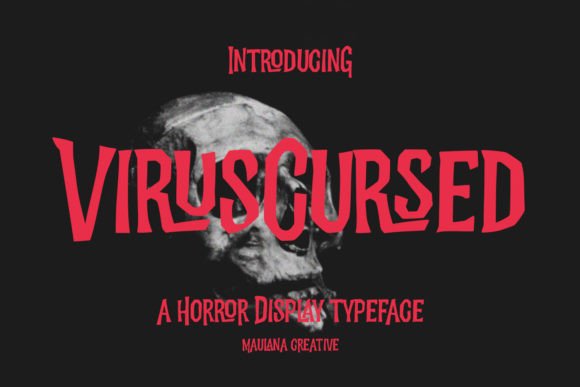
Every small business owner knows that feeling when a visual element finally aligns with what you've been picturing in your head. For me, Virus Cursed was that missing piece. The font carries this beautifully eerie quality that feels like a vintage horror poster met a modern boutique label. The letterforms have a haunting, stretched elegance that immediately creates atmosphere. It's thrilling without being cheesy, mysterious without being unreadable.
I run a small candle business focused on seasonal, mood-driven scents. Autumn collections, winter rituals, stormy evening fragrances—that's my world. My customers aren't just buying wax and wicks. They're buying a feeling. And Virus Cursed as a display font helps me deliver that feeling before they even light the match.
First Impressions Happen in Seconds
Think about how you browse online shops or market stalls. Your eye scans dozens of products in moments. What makes you stop? Often, it's the typography. A well-chosen typeface communicates quality, intention, and personality faster than any product description ever could. Virus Cursed grabs attention with its spindly, dramatic letterforms that suggest something slightly supernatural—perfect for brands that want to stand out in crowded markets.
When I updated my candle labels with Virus Cursed as the primary display type, the difference was immediate. The font gave my jar labels a premium, curated feel that made each candle look like a collector's item rather than a mass-produced commodity. The slightly distressed, eerie quality of the lettering suggested craftsmanship and story, two things my customers actively seek out.
Where Virus Cursed Shines Brightest
Let me be practical about where this font truly excels. Virus Cursed is a display font through and through, and it thrives in specific roles. Here's where I've used it successfully:
- Product labels and packaging: The font transforms simple kraft paper labels, glass jars, and cardboard boxes into something that feels intentional and designed. For my candle jars, I use it for the fragrance name on the front label.
- Logo design: If your brand name is short and punchy, Virus Cursed makes an unforgettable logo mark. I've seen boutique owners, tattoo artists, and even a local bakery use similar display fonts to create identities that people remember instantly.
- Social media graphics: Instagram posts, story templates, and Pinterest pins benefit enormously from the font's dramatic presence. It stops the scroll and creates a recognizable visual signature.
- Thank-you cards and business cards: Small touches matter. A thank-you card set in Virus Cursed feels like a keepsake, not an afterthought.
- Menu headers and café signage: For seasonal specials, event posters, or tasting menus, the font adds theatrical flair without overwhelming the reader.
Readability and Practical Limits
I learned quickly that Virus Cursed works best as a headline font, not body text. Its spooky, elongated letterforms are designed to make an impact in short bursts—think product names, event titles, or packaging headers. For longer descriptions, ingredient lists, or website paragraphs, you'll want to pair it with something cleaner. I made the mistake early on of setting an entire scent description in Virus Cursed, and while it looked gorgeous, it wasn't the easiest to read at small sizes on a mobile screen.
For printed labels and packaging, I recommend keeping the font size generous enough that the details remain crisp. On social media thumbnails, the font holds up surprisingly well, but always test how it renders on different devices. What looks sharp on your desktop might blur slightly on a phone screen if the size is too small.
Simple Font Pairings That Work
Pairing Virus Cursed with the right supporting typeface is where the magic happens. I use a clean sans serif font for ingredient lists and burn instructions on my candle labels. The contrast between the eerie display text and the straightforward, readable sans serif creates a balanced, professional look. A light, airy sans serif keeps things modern, while a slightly condensed one adds structure.
For brands with a more romantic or vintage feel, an elegant serif font pairs beautifully with Virus Cursed. The traditional serif grounds the spooky display type and gives the overall design a classic, literary quality—perfect for bookshops, tea brands, or heritage-inspired products. I've also seen creators combine it with a delicate script font or a casual handwritten font for a layered, artisanal effect. The key is letting Virus Cursed do the heavy lifting on headlines while your secondary font handles the functional text.
Building a Consistent Brand Identity
One of the biggest challenges for small business owners is visual consistency. When you're juggling product photos, packaging orders, website updates, and social media, it's easy for your brand to look scattered. A distinctive display font like Virus Cursed acts as an anchor. Once you commit to using it across your packaging, online graphics, and printed materials, everything starts to feel cohesive. Customers begin to recognize your style before they even see your logo.
I've noticed that since adopting Virus Cursed as part of my brand toolkit, my product photography looks more intentional. The font ties together my candle labels, my website banners, and my Instagram templates. There's a thread of moody, mysterious elegance running through everything, and that consistency builds trust. People know what to expect from my brand, and that familiarity keeps them coming back.
Real-World Applications for Different Businesses
While I use Virus Cursed for candles, its appeal stretches across many small business types. A bakery updating seasonal packaging could use it for limited-edition Halloween or autumn pastry boxes. The font's spooky charm would make cookie labels, cupcake toppers, and bread tags feel like a special event rather than an everyday purchase. A skincare brand crafting botanical serums with moody, apothecary-style branding would find the font perfectly suited to glass bottle labels and gift sets.
Boutique clothing shops, tarot card creators, indie bookstores, and even coffee roasters with a darker aesthetic can all benefit from the font's personality. I've seen coaching brands use similar display typefaces for workshop titles, retreat branding, and digital workbook covers. The font communicates depth, creativity, and a willingness to be different—qualities that attract customers who value originality over mass-market sameness.
Typography and Customer Perception
There's a quiet psychology to typography that many business owners overlook. The fonts you choose signal your brand's values, your price point, and your attention to detail. Virus Cursed signals that you care about atmosphere and experience. It tells customers that your products are crafted with intention, not churned out thoughtlessly. In a marketplace saturated with generic sans serif logos and templated designs, a creative font with genuine personality becomes a competitive advantage.
When someone receives a package from my shop, the first thing they see is the label. The haunting, beautiful lettering of Virus Cursed sets the tone before they unwrap anything. It's part of the unboxing experience, and it makes a lasting impression. That kind of brand identity work happens quietly, but it builds loyalty over time.
Practical Considerations Before You Buy
Before you start using Virus Cursed across your products and marketing materials, there are a few things worth checking. Look at the included file formats and make sure they're compatible with your design software—whether you're working in Canva, Adobe Illustrator, or something more basic. Check if the font includes alternates or ligatures that give you more creative flexibility. Some display fonts come with extra glyphs that let you customize letterforms for a more unique look.
Also verify the commercial font licensing. If you're planning to use Virus Cursed on products you sell, on packaging, in client work, or within digital templates, you need the appropriate license. Most font creators clearly outline what's covered, but it's always worth reading the fine print. Multilingual support is another factor—if your customer base or product names include special characters, ensure the font supports the languages you need.
A Small Change With Big Results
Looking back at those late-night label frustrations, I realize the problem wasn't my product or my vision. It was the visual language I was using to communicate. Virus Cursed gave me a premium font that matched the mood I'd been trying to create all along. It didn't just improve my packaging—it clarified my entire brand direction. When your typography aligns with your brand's personality, everything else falls into place more easily.
For any small business owner, handmade seller, or creative entrepreneur wrestling with visual consistency, the right display font can be a turning point. Virus Cursed offers that rare combination of atmosphere, readability, and distinctive character that makes a brand feel polished, memorable, and genuinely original. Whether you're designing product labels, refreshing your logo design, or building out social media graphics that actually get noticed, this font brings a shiver of excitement that generic typefaces simply can't match.